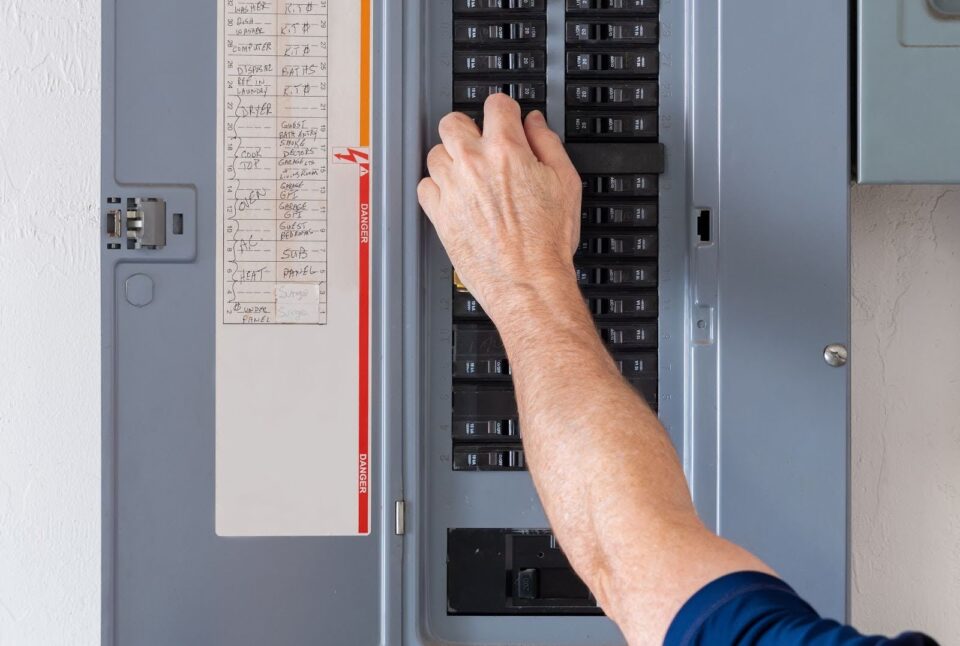
Today’s homes rely more heavily on electricity than ever before. With everything from smart appliances to EV chargers and advanced HVAC systems, modern living depends on a steady, reliable flow of power. Unfortunately, many electrical systems weren’t designed to handle all of this demand.
Now, homeowners are discovering that their old and outdated electrical panels are causing an array of issues, from power disruptions to frequent breaker trips and even serious safety hazards. Because of these problems, it’s important to recognize the warning signs that it’s time for an electrical panel upgrade and take action immediately.
Frequent Circuit Breaker Trips
If your circuit breakers trip regularly, your electrical panel may be struggling to keep up. Circuit breakers are designed to shut off power when a circuit becomes overloaded to protect your wiring from overheating and potentially causing a fire.
Occasional trips can happen if you plug too many devices into one circuit. However, frequent breaker trips, especially when they occur while running normal household appliances, are often a sign that your panel lacks sufficient capacity.
When a panel is undersized, circuits are more likely to overload. This constant stress can shorten the lifespan of your electrical components and increase the risk of damage.
Upgrading your panel, however, increases your home’s electrical capacity, distributes power more efficiently, and reduces the likelihood of nuisance breaker trips.
Flickering or Dimming Lights
Have you noticed lights dimming when your HVAC system kicks on or flickering when you use the microwave? While it may seem minor, this is often a sign that your electrical system is straining under load.
When large appliances draw significant power, an outdated or overloaded panel may struggle to maintain stable voltage throughout the home. This can lead to inconsistent lighting and fluctuating performance from electronics.
Beyond being annoying, voltage fluctuations can impact sensitive electronics like computers, televisions, and smart home systems. This inconsistent power delivery will eventually reduce equipment lifespan.
A panel upgrade can help stabilize electrical distribution and ensure consistent performance across circuits, even when multiple high-demand appliances are running simultaneously.
Reliance on Extension Cords or Power Strips
If your home relies heavily on extension cords, outlet adapters, or power strips, your electrical system may not be adequately designed for modern living.
Older homes were built with fewer outlets because families used far fewer devices. Today, between televisions, routers, chargers, gaming systems, kitchen gadgets, and home office equipment, electrical demand has multiplied.
Using extension cords as a long-term solution can create fire hazards, especially if cords are overloaded or run under rugs and furniture. It can also indicate that circuits are already stretched thin.
Upgrading your electrical panel allows for additional circuits and outlets to be safely installed. This not only improves convenience but also enhances safety by eliminating risky workarounds.
Burning Smells or Warm Electrical Panels
A burning smell near your breaker box or a panel that feels warm to the touch should never be ignored. These signs may indicate overheating wires, loose connections, or excessive electrical load.
Over time, heat buildup inside an electrical panel can damage components and increase the risk of electrical fires. If you ever detect a burning odor, see scorch marks, or notice discoloration around breakers, contact a licensed electrician immediately.
An upgraded panel eliminates worn or outdated components and ensures connections are secure and properly rated for your home’s electrical needs. It’s one of the most important steps you can take to protect your home and family.
An Older Home With a 100-Amp Panel
Many homes built before the 1990s were equipped with 100-amp service panels. At the time, this capacity was sufficient for basic appliances and lighting.
Today, however, most modern homes require 150-amp or 200-amp service to support increased electrical demand. If your home still operates on a 100-amp panel, you may be approaching — or exceeding — its intended capacity.
Upgrading to a higher-capacity panel gives you room to grow. It prepares your home for future improvements while improving overall reliability and safety.
Planning Major Renovations or Installing High-Demand Equipment
Home improvements often require additional electrical capacity. If you’re planning a kitchen remodel, finishing a basement, installing a hot tub, or adding an EV charger, your existing panel may not support the added load.
An electrical panel upgrade ensures your system can accommodate new circuits and high-powered equipment. It prevents overloads and helps your renovation projects meet current electrical codes.
Why Panel Upgrades Should Always Be Handled by Licensed Professionals
Electrical panel upgrades are complex and highly technical projects. They involve working directly with your home’s primary power supply and must comply with local electrical codes and utility requirements.
Attempting DIY electrical work can result in serious injury, property damage, and code violations. A licensed electrician ensures the job is performed safely, efficiently, and in compliance with all regulations.
When you work with professionals like Apex General, you can expect:
- A thorough evaluation of your current electrical system
- Clear recommendations based on your home’s needs
- Proper permits and code compliance
- Safe removal of the old panel
- Expert installation of the new panel
- Final inspection and testing to ensure optimal performance
Upgrade Your Electrical Panel ASAP
If you suspect your panel may be outdated or struggling to keep up with your home’s electrical demands, now is the time to act.
Apex General’s experienced electricians provide thorough inspections, clear communication, necessary electrical repairs, and expert installation to ensure every panel upgrade meets current safety standards. Contact us today to schedule an evaluation and ensure your electrical system is ready to power your life.